
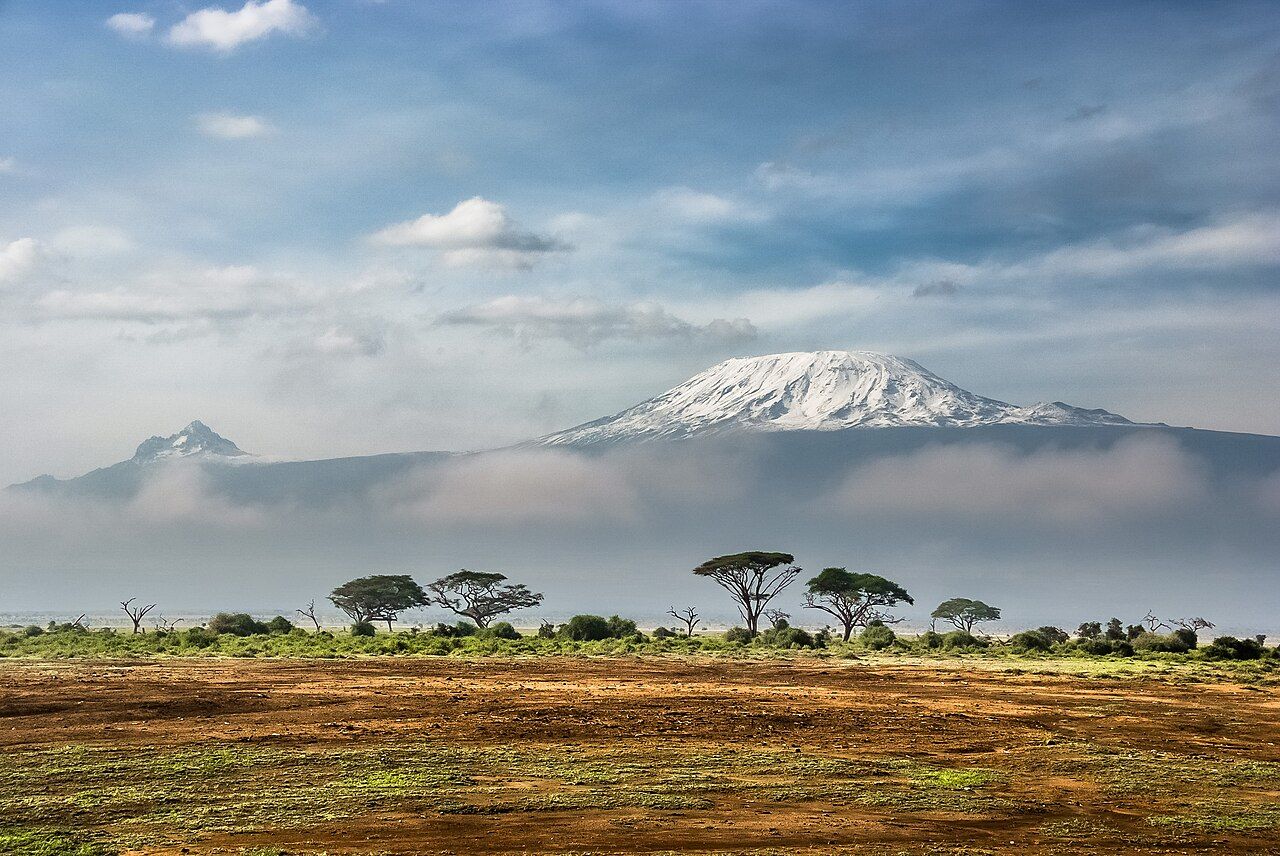
Amboseli is small by Kenyan standards and, for much of the year, very dry. Grey dust covers the old lakebed, dust devils spin across the flats and the grass is short. Yet in the middle of it sit permanent swamps of brilliant green, and every morning elephant families walk in from the surrounding bush to drink, feed and wallow. Behind them, on clear days, rises Kilimanjaro.
The mountain stands across the border in Tanzania, but its water shapes the park. This guide covers the elephants, the swamps, the seasons, and how to see the summit before the clouds close in.
Elephant families
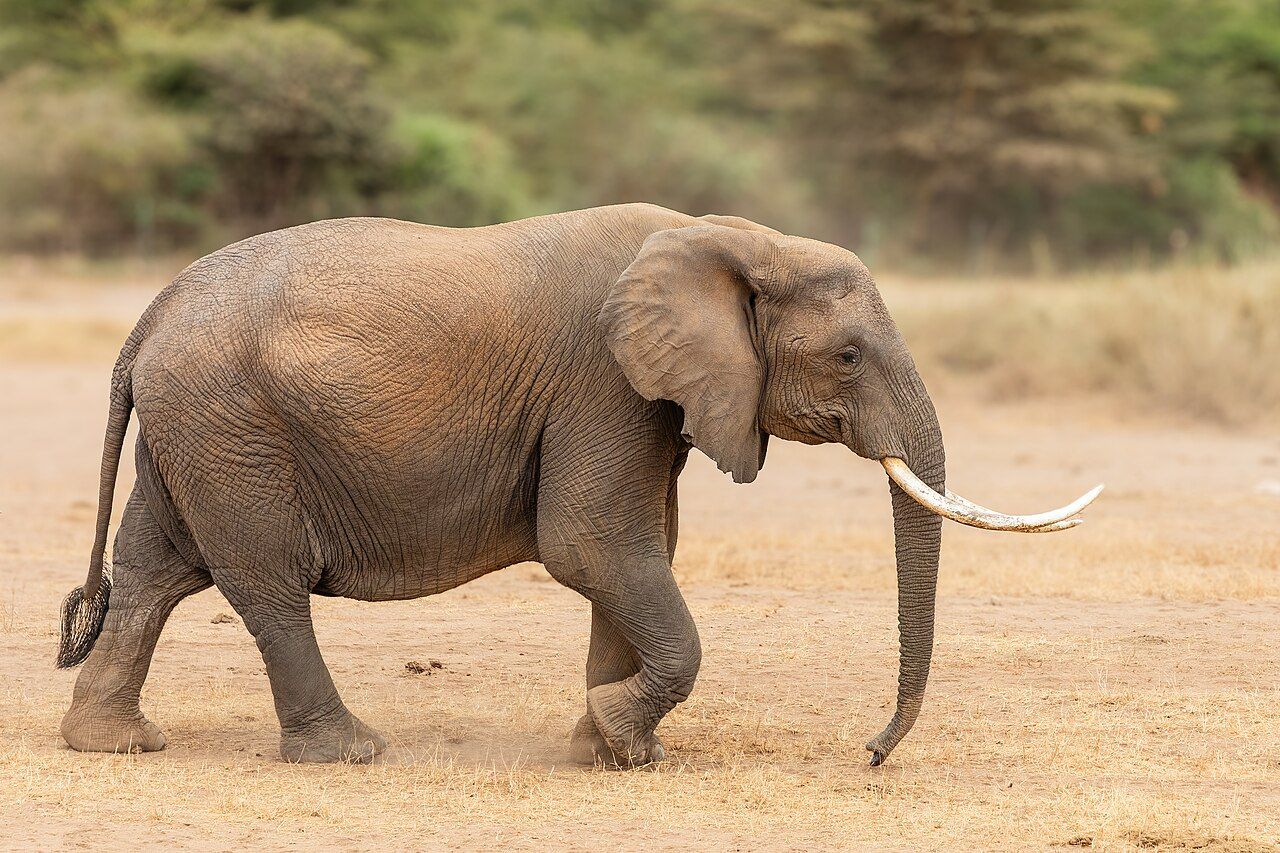
Amboseli National Park is best known for its elephants, and for good reason. They have been studied here continuously since the early 1970s in one of the longest-running studies of wild elephants anywhere, and researchers know many individuals by sight, along with their family histories. Much of what is now widely understood about elephant society, from the role of older matriarchs to long memories and close family bonds, was documented in this population.
Family groups are led by an older female and made up of her daughters, their calves and young males who have not yet left. Adult bulls live more independently and move between families. Amboseli is also known for bulls with large tusks, which have become rare in much of Africa after decades of poaching.
Watching elephants well means watching behaviour, not just counting animals. Families arriving at the swamp in the morning often follow the same paths; calves stay close, play in the mud and are minded by older sisters and aunts. Ears spread wide, a raised head or a sudden turn toward the vehicle are signs that an animal is uneasy. When you see them, give more space.
Because the elephants here have been watched for decades without being hunted, many are relaxed around vehicles and may pass within a few metres. That calm was built up over generations of careful behaviour by visitors and drivers, and it is easily damaged. Never call out to an elephant, never rev an engine to make one move, and never follow a family that is walking away.
Swamps fed by Kilimanjaro
Amboseli receives little rain, but it sits at the foot of Africa's highest mountain. Rain and snowmelt on Kilimanjaro's slopes seep into porous volcanic rock and travel underground, emerging as springs on the Kenyan side. Those springs feed swamps such as Enkongo Narok and Longinye, which stay green when everything around them is pale and dry.
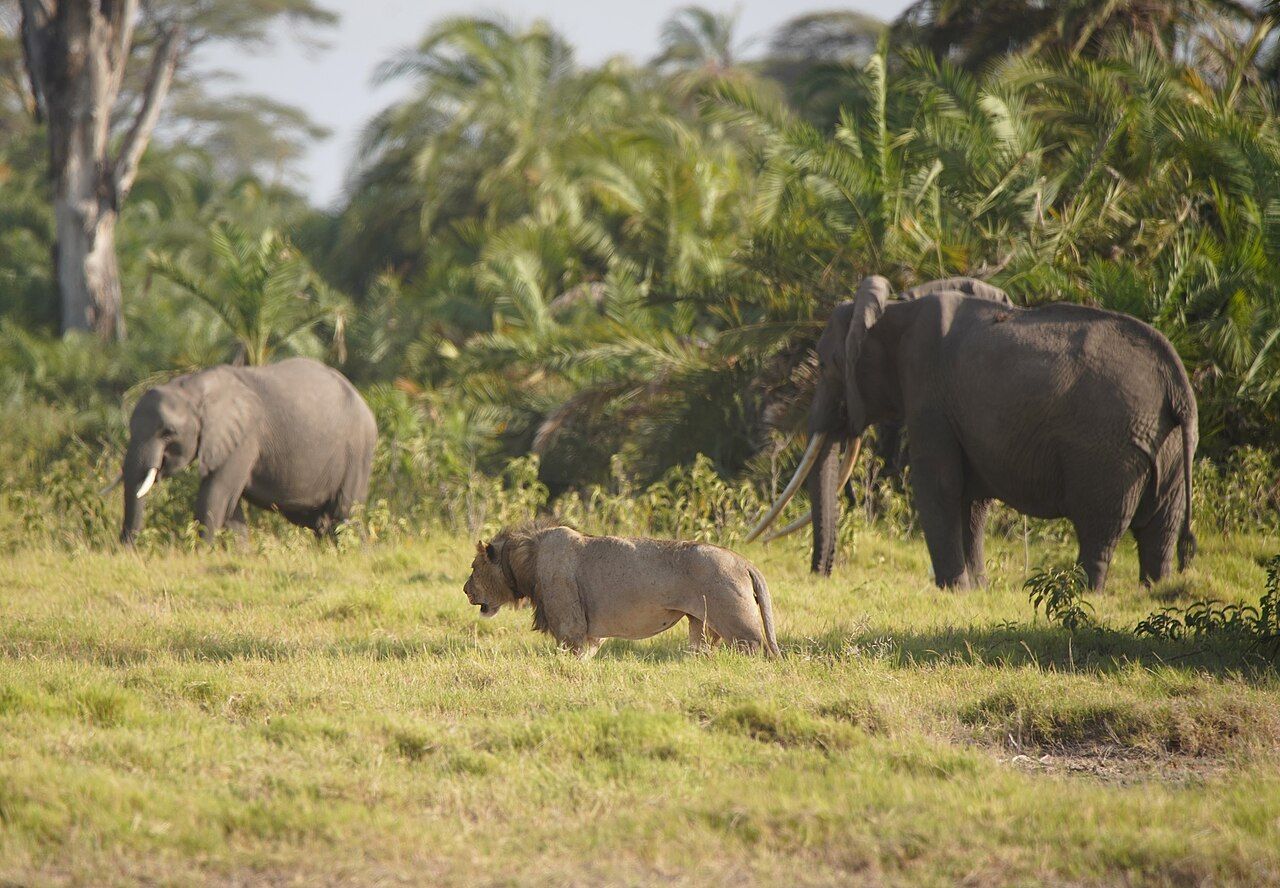
The swamps are the park's engine. Elephants spend hours in them, sometimes submerged to the belly, pulling up sedges. Hippos, buffalo and water birds such as pelicans, egrets, herons and ducks gather there too. On the drier ground around them you find zebras, wildebeest, Thomson's and Grant's gazelles, and the predators that follow, including lions and spotted hyenas.
The swamps are the park's engine.
The mountain's shrinking glaciers draw attention, but the springs depend on a wider system of rain, forest and groundwater on Kilimanjaro's slopes. Changes there, and the growth of farms and settlements around the park, matter for Amboseli's future.
Dust and seasons
The name Amboseli is usually traced to a Maa word for salty dust, which is apt. The bed of Lake Amboseli is dry for most of the year, and the fine soil lifts with every gust and every passing vehicle. In heavy rain parts of it can flood for a while, and tracks become slick.
The main dry seasons, roughly June to October and January to February, keep animals close to the swamps and make them easier to find. The long rains, roughly March to May, and the short rains around November and December green the plains and spread the animals out. The mountain is often clearer in the cooler, drier months, but there is no guarantee in any season.
Dust gets into cameras, eyes and lungs. A scarf, a cover for camera gear and eye drops are useful. Keep windows partly closed when following another vehicle, and ask your driver to hang back rather than ride in someone else's dust cloud.
Observation Hill and the mountain's clouds
Observation Hill, a low rise near the centre of the park, is one of the few places where visitors may leave their vehicles. A short path leads to the top, and from there the swamps spread out below, with elephants moving through them like grey stones in the green. It is the best place to understand how the park works: dry ground, a band of water and the mountain behind. Ask at the gate about current access before you walk.
Kilimanjaro is the other reason people come, and it is often hidden. Clouds usually build around the summit during the morning and can cover it for the rest of the day. The best chances are at first light and in the late afternoon, when the clouds sometimes lift for an hour. Many visitors spend a whole day without seeing the summit at all, then see it suddenly, white above the haze, at dawn the next day.
Patience pays. Plan at least one dawn drive and one late afternoon out on the plains, ideally with an open view to the south.
Beyond the elephants
Elephants dominate the park, but they are not its only story. Lions became scarce here after years of conflict with herders outside the boundary, and their numbers have recovered in places as communities and conservation groups worked on ways to protect livestock at night. Cheetahs are seen on the open plains from time to time, and spotted hyenas are common, especially around dawn. Giraffes browse the acacia woodland toward the edges of the park, where the ground is less bare.
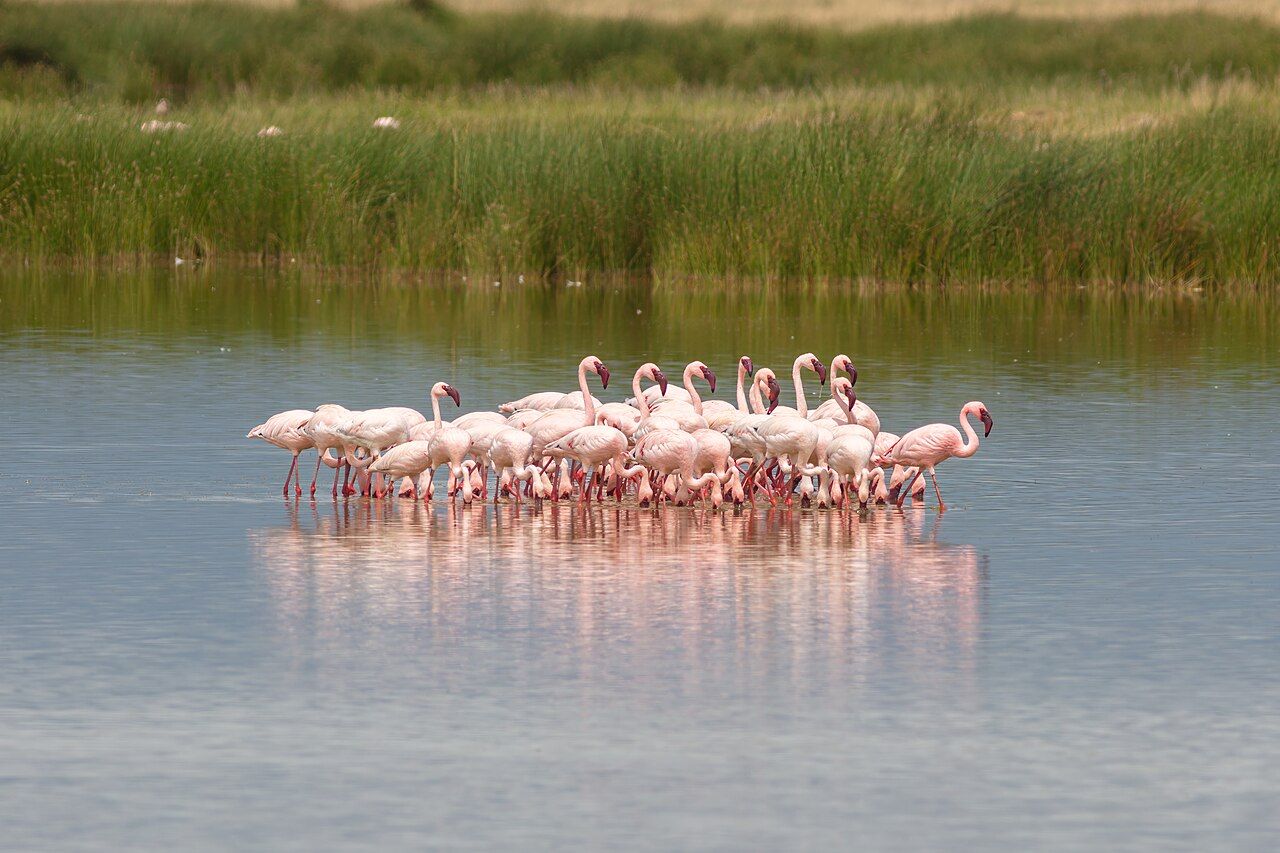
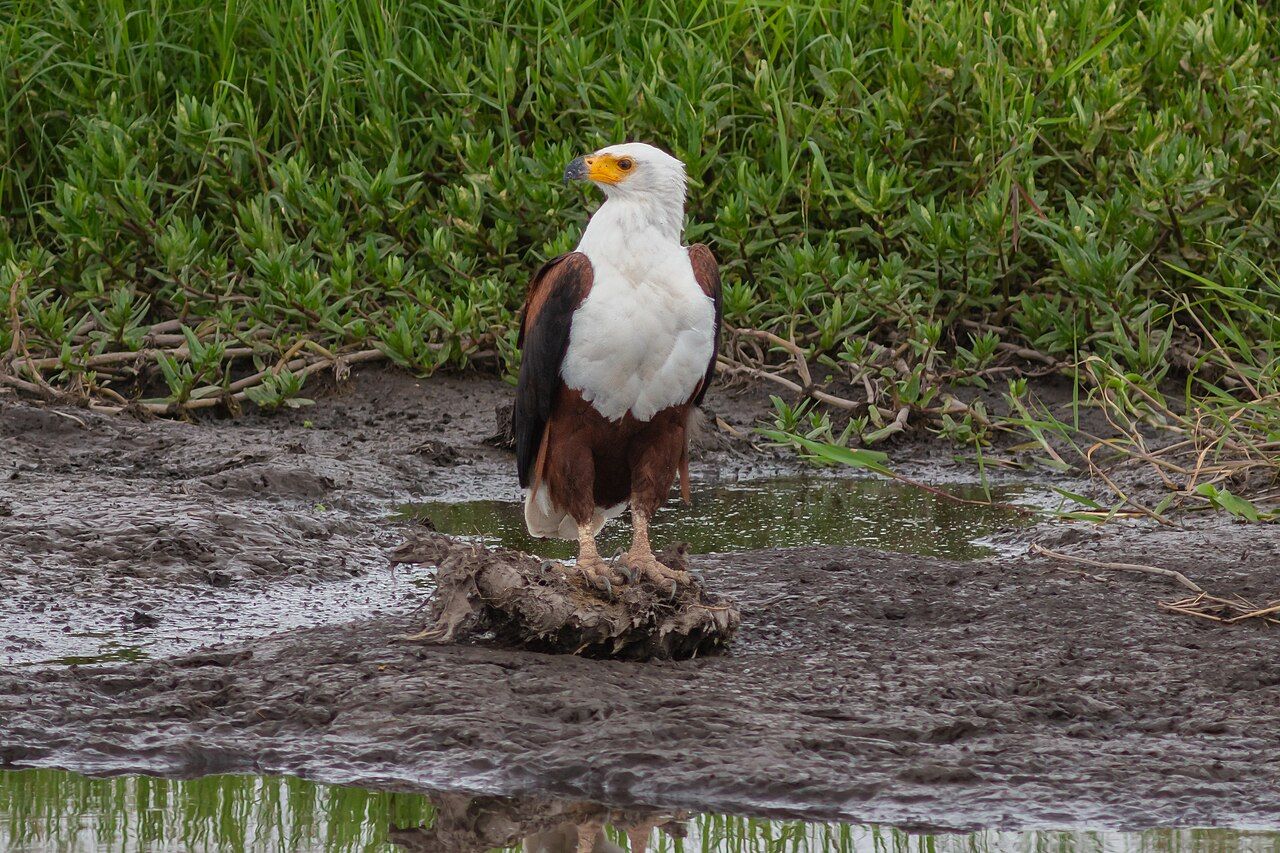
Birdlife is a quiet surprise in so dry a place. The swamps and seasonal pools draw hundreds of species, from African jacanas walking on floating leaves to crowned cranes, kingfishers and, in the northern winter, migrant waders from Europe and Asia. An hour parked quietly beside a swamp edge often shows more than a long drive.
The open flats also produce mirages in the midday heat, when zebras and wildebeest seem to float above a shimmering lake that is not there. It is one more reason to rest through the hottest hours and to be out again when the light softens.
Neighbours and practicalities
The park is surrounded by Maasai group ranches, and elephants move between the park and community land, especially in the wet season. Many families around Amboseli have long shared land with wildlife, and community conservancies have been set up to keep corridors open. Conflict happens too, when elephants raid crops or predators take livestock, and compensation and fencing are frequent subjects of debate. Treat the communities as neighbours of the park, not as part of the visit, and ask before photographing anyone.
Amboseli lies about 240 kilometres south-east of Nairobi, reached by road through Emali or Namanga in roughly four to five hours, or by a short flight to the park's airstrip. Many visitors continue to Tsavo West, linked by road to the east, or arrive from the Masai Mara. For timing across the year, see our page on the rains and dry seasons.