
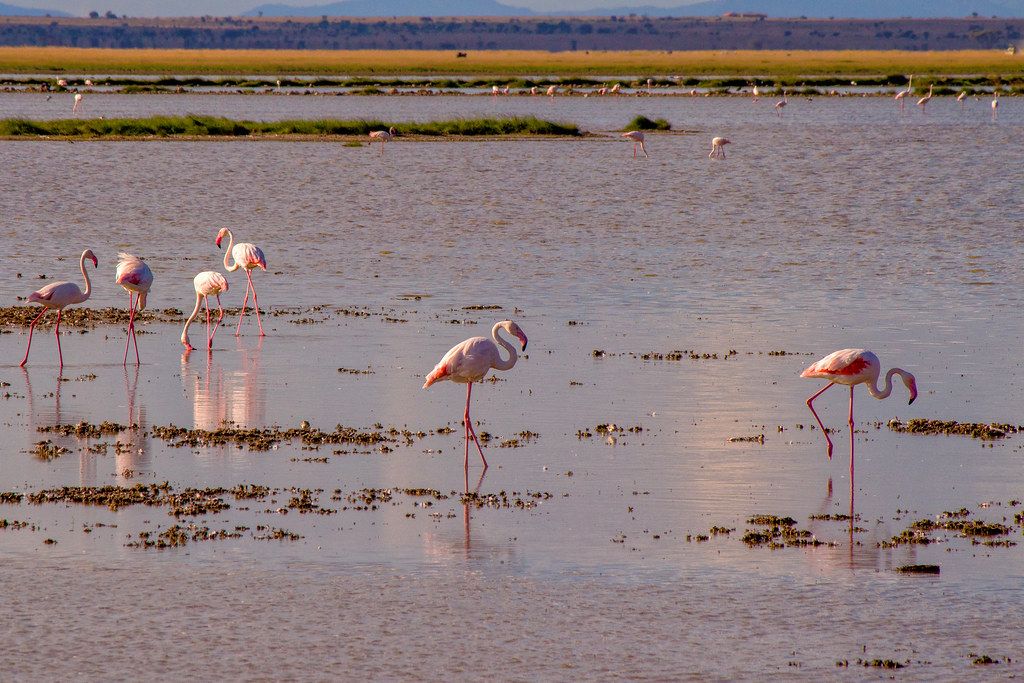
Kenya sits on the equator, so its year is not shaped by summer and winter. Temperature depends far more on altitude than on the month: Nairobi and the highlands are mild, with cold nights, while the coast and the north are hot all year. What changes through the year is rain. Most of the country has two rainy seasons, and almost every decision about when to go starts from them.
Two rainy seasons
The long rains usually fall from roughly March to May, with the heaviest rain in April. The short rains usually come in roughly November and December. Neither is a monsoon of constant downpours. More often, mornings are clear and storms build in the afternoon, with heavy rain for an hour or two before the sky clears again. Some days are dry, some are wet from start to finish.
The pattern is a general one. Rains can come early or late, be heavy or fail almost completely, and they differ across the country. The north and the coast have their own rhythms, and some years bring drought while others bring floods. Treat any calendar as a rough guide rather than a promise.
The rains matter for practical reasons as much as for wildlife. Many park roads are unsealed, and some cross soils that turn to mud within minutes of a heavy storm. Small airstrips can close after heavy rain. River crossings on the roads can rise and fall quickly. Allow slack in any itinerary that includes the rainy months.
The long dry season
From roughly June to October, most of Kenya is dry. The grass shortens and turns gold, water becomes scarce and animals gather near rivers, swamps and waterholes, which makes them easier to find. The bush thins and visibility is good. Mornings and nights in the highlands, including the Mara and Laikipia, can be cold, especially in July and August.
This is the most popular time for a safari. Prices and demand are highest, the parks are busiest, and the July and August school holidays in many countries add to the crowds. In the Masai Mara, this is also roughly when the migration herds are in Kenya.
January and February
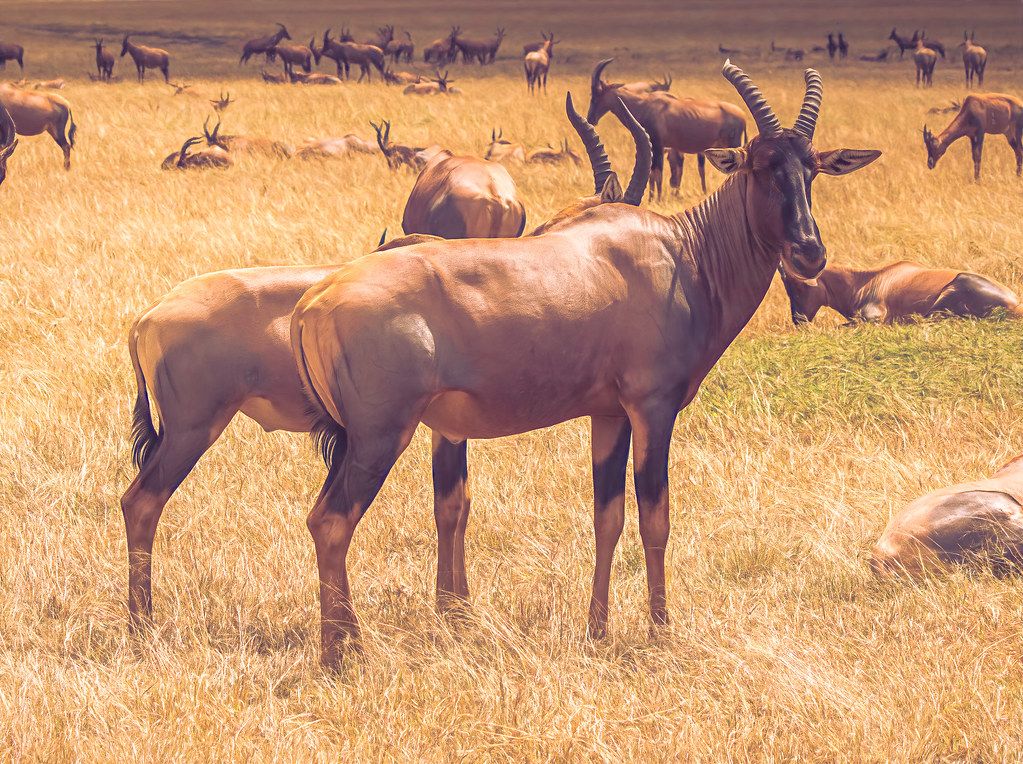
Between the short rains and the long rains, roughly January and February, there is a second dry season. It is hot, the land has had recent rain and is often still green, and many animals have young. It is a good time for most parks and often less busy than the main dry season. Over the border, it is roughly when the migration calves on the southern plains of the Serengeti.
The migration's uncertain clock
Many people plan around the wildebeest migration, and its timing is the hardest part of any calendar. In broad terms, the herds are in the southern Serengeti early in the year, move north and west through the middle months and reach the Mara around July, staying until roughly October before turning south again. River crossings are possible during that time, but no one can say in advance on which day, or at which crossing point, they will happen.
The herds follow rain and grass, and both change from year to year. A late or early rain can move the whole cycle by weeks. If the migration is your main reason to travel, choose dates in the middle of the usual window, allow several days, and enjoy the resident wildlife, which is there whether the herds are or not.
It also helps to remember that the migration is only one part of a safari. Lions, elephants, cheetahs, leopards and a long list of other animals live in the Mara and the other parks all year. Many visitors who come outside the migration months find the reserves quieter and the sightings just as rewarding.
The green season
The rainy months have advantages that are easy to overlook. The land turns green, the dust settles and the light is clear after storms. Many animals give birth in or around the rains, and predators follow. Migrant birds from Europe and Asia arrive from roughly November to April, adding many species to an already rich list. The parks are quieter, and the feeling of having a sighting to yourself is easier to find.
The drawbacks are real. Some tracks become impassable after heavy rain, especially on black cotton soil, which turns to deep, sticky mud. Long grass and thick bush make animals harder to see. Some accommodation in remote areas closes during the long rains. Allow extra time on the roads.
Crowds and quiet
Crowds follow the calendar. The busiest times in the popular parks are the long dry season, especially July and August, and the Christmas and New Year holidays. In those weeks, popular sightings in the Mara and Amboseli can draw many vehicles at once. Quieter parks such as Meru and Shaba, and the conservancies with limits on vehicle numbers, help in any season. The months on the edges of the dry seasons, such as June, late October or early January, often balance good conditions with fewer visitors.
The coast and the mountains
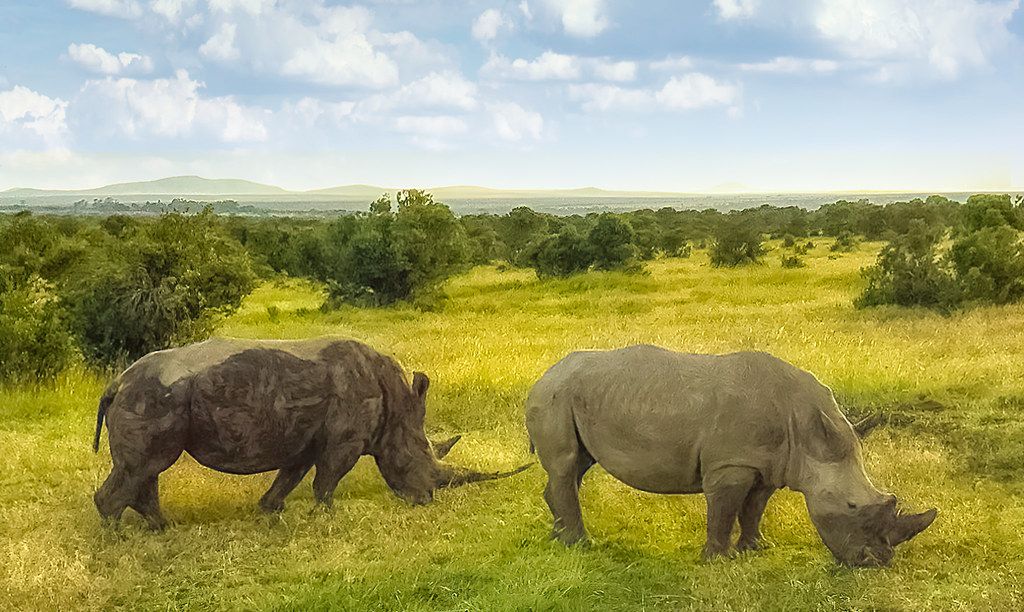
The coast follows a different pattern, set by the monsoon winds. It is hot and humid all year. The heaviest rain usually falls from roughly April to June, and the sea is often rough and full of seaweed in the middle of the year. The months from roughly December to March bring calm, clear water. See the pages on Diani and the Shimba Hills for more on beaches, tides and reef.
Mount Kenya and the Aberdares are cold and wet much of the year, and the drier months, roughly January to February and July to September, are the usual times to climb or walk there.