
About two hours north of Mombasa by road, Watamu is a small coastal town with a sandy beach, coral gardens and a calm lagoon. It sits between three different worlds within easy reach of each other: a marine park on one side, a ruined Swahili town in the forest on the other and, behind them, the largest surviving block of coastal forest in East Africa. You can see all three in a few days, at an easy pace.
Watamu and the marine park
Watamu Marine National Park, established in 1968, was one of the first marine parks in Kenya. It protects a lagoon and coral reef off the town, with sandy beaches and small islands of coral rock. Snorkelling in the coral gardens shows you parrotfish, angelfish, butterflyfish, moray eels and, with luck, turtles and rays.
Snorkel trips and glass-bottomed boats leave from the beach. In the water, do not touch or stand on coral, do not feed fish and keep your fins off the reef. Low tide exposes rock pools along the shore with crabs, small fish and sea cucumbers. As on the rest of the coast, tides set the timing of every outing.
Turtles on the beach
Green and hawksbill turtles nest on the beaches around Watamu, and turtles feed in the lagoon and on the reef. Females come ashore at night to dig nests and lay eggs, and the hatchlings emerge about two months later to scramble to the sea. A local conservation group monitors nests and works with fishermen to release turtles caught accidentally in nets.
If you come across a nesting turtle or hatchlings, keep well back, stay still and quiet, and use no white light or flash photography. Bright lights from buildings confuse hatchlings and draw them away from the sea. Never touch or pick up a turtle, and never buy turtle shell products.
Gede, a Swahili town in the forest
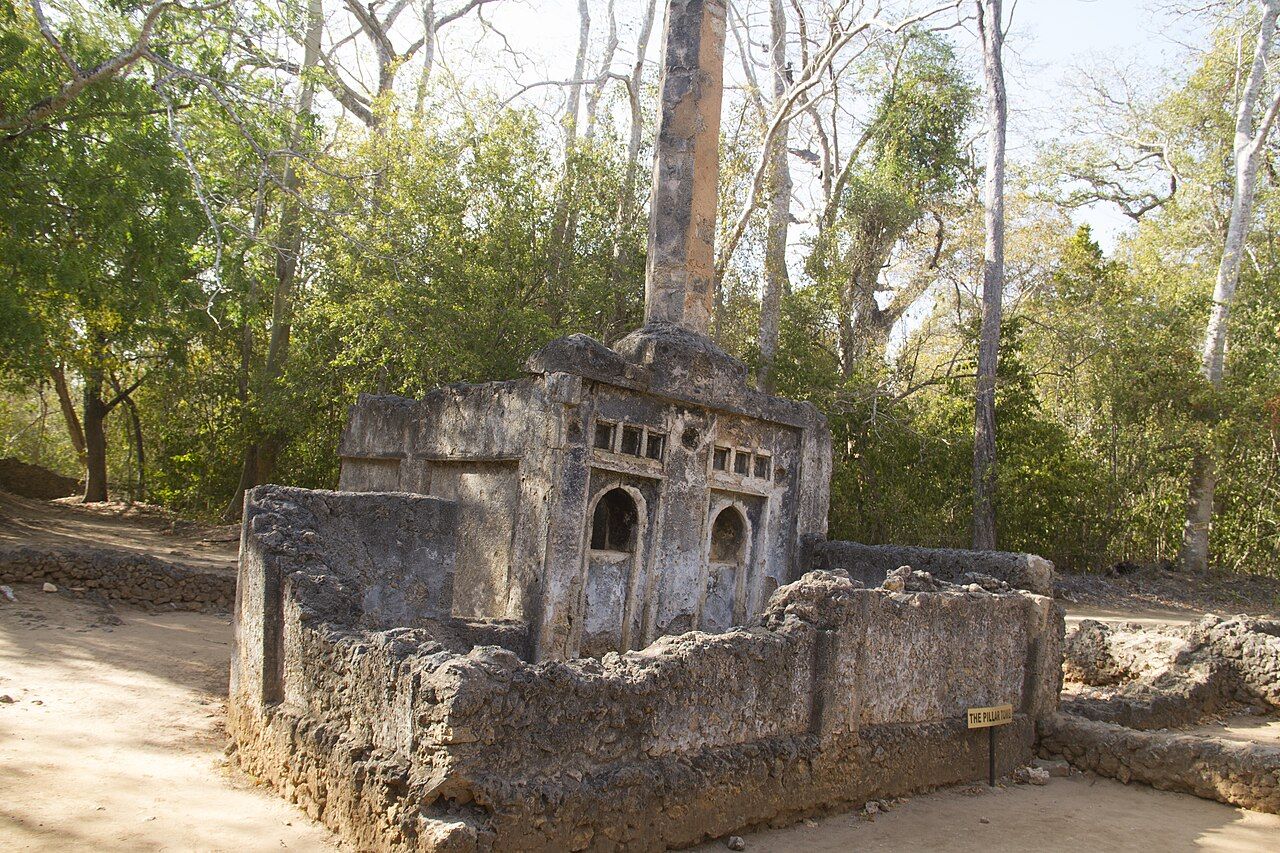
A short drive inland from Watamu, the ruins of Gede lie in the shade of tall trees. Gede was a Swahili town that grew from around the twelfth century and was rebuilt and expanded in the fifteenth, with stone walls, a palace, mosques, houses and deep wells. It was abandoned in the early seventeenth century; the reasons are not fully known, though changes in trade, water supply and conflict in the region are all thought to have played a part.
Today the ruins are protected as a national monument by the National Museums of Kenya. Paths lead between the coral-stone walls, through the remains of the great mosque and the palace, past pillar tombs and wells. Monkeys move through the trees overhead. A small museum at the entrance displays objects found on the site, including Chinese porcelain, glass beads and Islamic pottery, evidence of trade across the Indian Ocean.
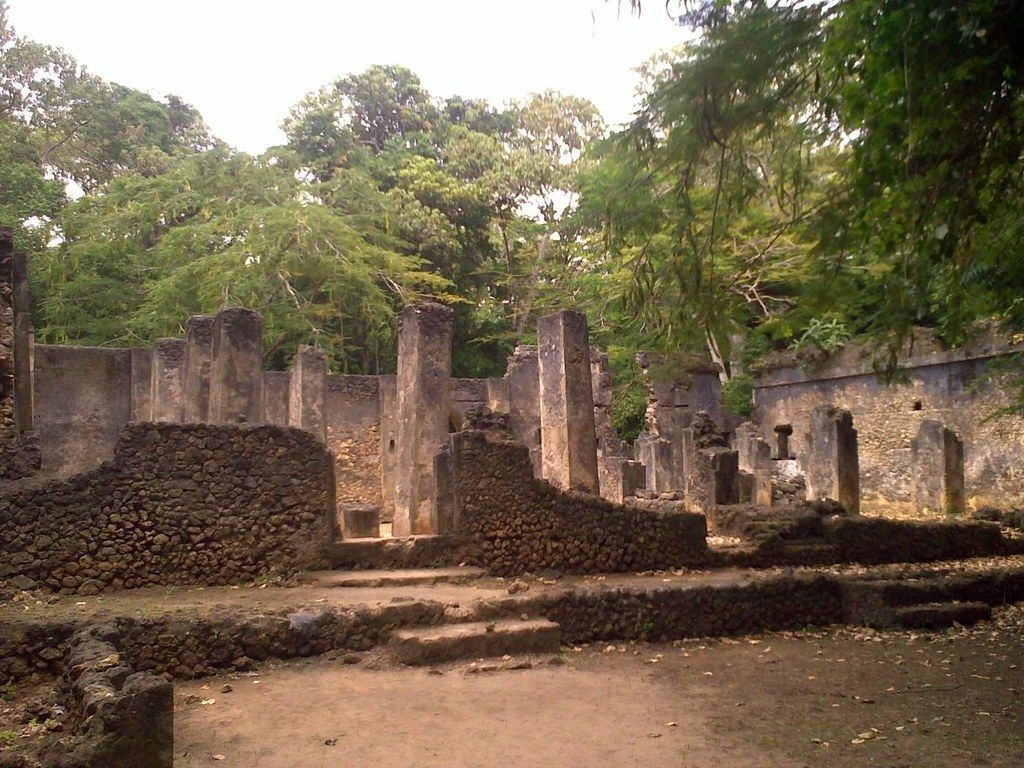
Gede is quiet and shady, and early in the morning or late in the afternoon it has a stillness that makes the ruins easy to imagine as a town. A guide at the gate can explain the layout and history. Pair it with a visit to Lamu, further up the coast, which still lives as a Swahili town today.
Arabuko-Sokoke forest
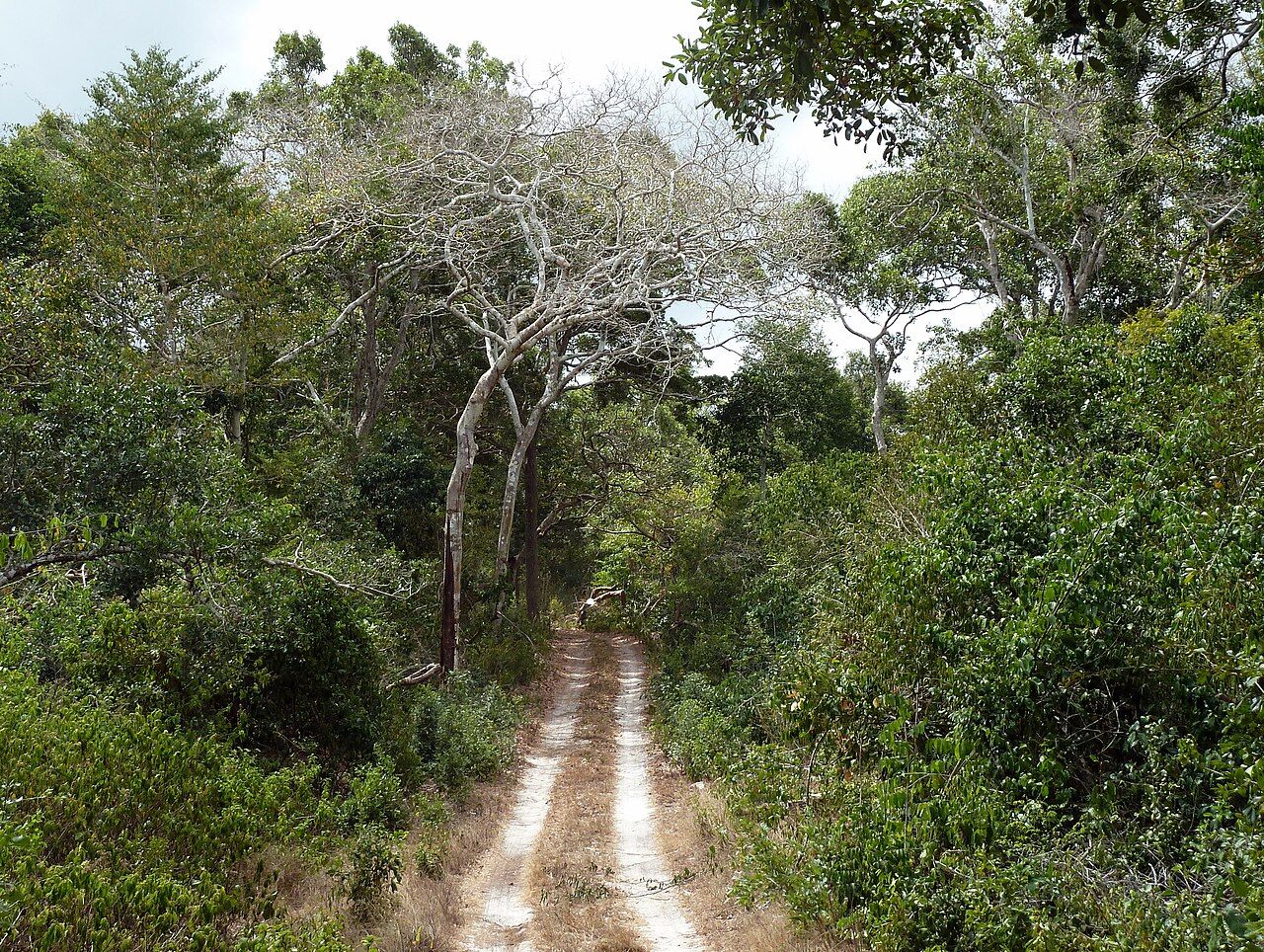
Arabuko-Sokoke Forest covers a large area behind Watamu and Malindi and is the largest remaining fragment of the dry coastal forest that once ran along the East African coast. It is managed jointly by government agencies and supported by the surrounding communities. Despite its size, it is threatened by logging, clearing and the pressures of a growing population around its edges.
For birdwatchers, the forest is one of the most important sites in Kenya. Clarke's weaver lives only in and around this forest. The Sokoke scops owl, the Sokoke pipit, the Amani sunbird and the spotted ground thrush are other rare species found here. Mammals include the golden-rumped sengi, a large elephant shrew with a golden patch on its back, Aders' duiker and a small population of elephants.
The forest is best explored with a local guide who knows the birds and their calls. Go early in the morning, when the birds are most active and the forest is cool. The tracks are sandy and some are better on foot or by bicycle than by car.
Mida Creek
South of Watamu, Mida Creek is a tidal inlet lined with mangroves. At low tide, wide mudflats and sandbanks are exposed, and in the northern winter, roughly September to April, they are a feeding ground for migratory waders such as crab plovers, sandpipers and curlews. A boardwalk through the mangroves, built and run by the local community, lets you see the creek up close.
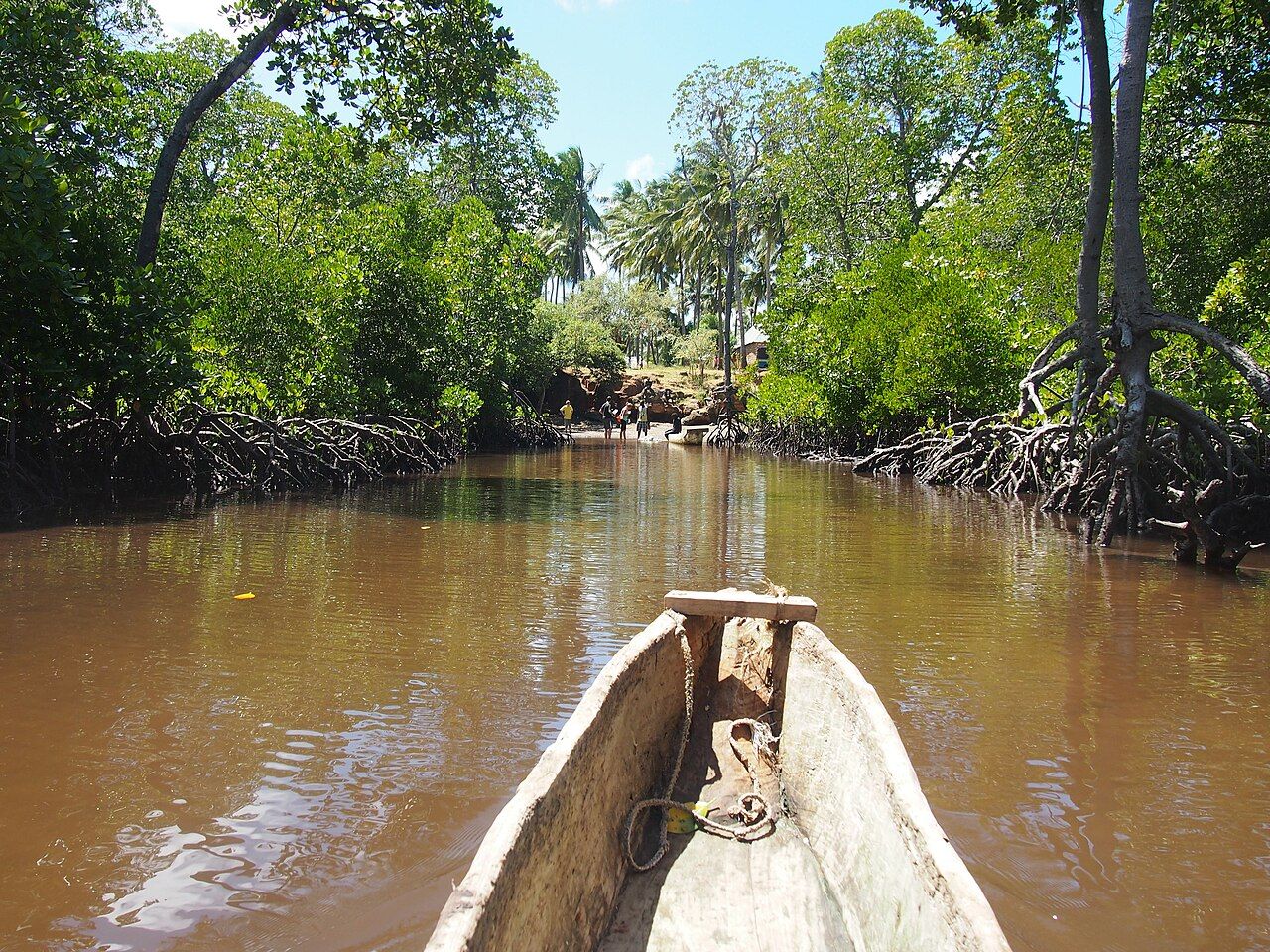
Mangroves are nurseries for fish and protect the coast from erosion. They are also a source of firewood and building poles for communities along the creek, and their protection depends on working with those communities.
Time a visit to the creek around the tide: the hours either side of low water bring the birds closest, while high water fills the channels and suits a slow trip by boat through the mangroves.
Two hours north of Mombasa
Watamu is about two hours north of Mombasa by road, and close to Malindi, which has an airport with flights to Nairobi. The driest months are roughly December to March and July to October; the long rains, roughly April to June, are the wettest. For the wider coast and its seasons, see the pages on Diani and the Shimba Hills.